

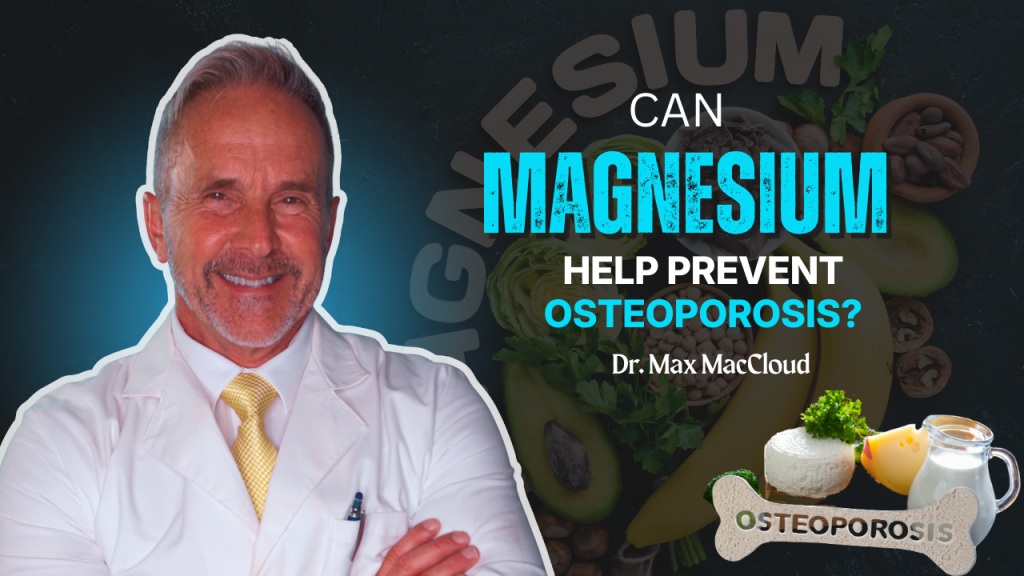
Osteoporosis is a condition characterized by weakened bones and an increased risk of fractures, particularly in older adults and postmenopausal women. While calcium and vitamin D are often highlighted for bone health, magnesium is an essential mineral that also plays a critical role in preventing osteoporosis. Adequate magnesium intake supports bone density, strength, and overall skeletal integrity, making it an important nutrient for long-term bone health.
How Magnesium Supports Bone Health
Magnesium contributes to bone health in several ways:
- Maintains Bone Density – About 60% of the body’s magnesium is stored in bones, where it contributes to bone structure and density. Magnesium helps keep bones strong and less prone to fractures.
- Regulates Calcium Levels – Magnesium helps maintain a healthy balance between calcium in the bones and calcium in the bloodstream. Proper magnesium levels allow calcium to be deposited in bones rather than accumulating in soft tissues.
- Activates Vitamin D – Magnesium is required to convert vitamin D into its active form, which is essential for calcium absorption and bone mineralization. Without sufficient magnesium, calcium, and vitamins, bones may not effectively strengthen.
- Supports Muscle Function – Strong muscles support bone health by reducing the risk of falls and fractures. Magnesium plays a key role in muscle contraction and relaxation, contributing to overall skeletal stability.
Evidence Linking Magnesium to Osteoporosis Prevention
Several studies have suggested that magnesium deficiency may increase the risk of osteoporosis. Low magnesium levels can lead to reduced bone mineral density, making bones more fragile and susceptible to fractures. Conversely, adequate magnesium intake has been associated with higher bone density and improved bone quality, particularly in older adults.
Research also indicates that magnesium synergistically supports calcium and vitamin D in promoting bone formation and preventing bone loss. Therefore, magnesium should be considered an essential component of a bone-healthy diet and lifestyle.
Signs of Magnesium Deficiency Related to Bone Health
Magnesium deficiency may not always be obvious, but it can negatively affect bone health. Signs to watch for include:
- Muscle cramps or spasms
- Fatigue or low energy
- Weak or brittle nails
- Frequent bone fractures or slow healing
- Restless legs or tingling sensations
Addressing magnesium deficiency early can help maintain bone density and reduce the risk of osteoporosis.
Dietary Sources of Magnesium
Magnesium is naturally found in many nutrient-rich foods that support bone health:
- Leafy greens such as spinach, kale, and Swiss chard
- Nuts and seeds, including almonds, cashews, and pumpkin seeds
- Whole grains like brown rice, oats, and quinoa
- Legumes such as lentils, black beans, and chickpeas
- Avocados and bananas
- Dark chocolate with high cocoa content
Including these foods in your diet can help ensure adequate magnesium intake to support bone strength.
In my experience, virtually everyone needs and can benefit from magnesium supplementation. My recommendation is to consume approximately 1,000 milligrams per 100 pounds of body weight daily. This is best done using multiple forms of magnesium to optimize absorption and delivery throughout the body.
Because I was not happy with the various magnesium supplements on the market, I designed my own several years ago. It is called Mag 10X because it provides 10 different forms of magnesium in a powder form. Why a powder? When you take pills and capsules, the full amount is released at once, which often leads to GI upset and diarrhea. The powder is placed into the beverage of your choice and is recommended to be consumed over 60 to 90 minutes. This allows for a fairly high intake of magnesium that is absorbed efficiently without GI side effects.
There is also another version with added B-Complex vitamins since they work with magnesium, and most people are deficient in at least a couple of those as well. That product is called Mito Energy. Both are available via our website ARTC.health or MyBodySymphony.com.
Magnesium Supplements and Safety
Magnesium supplements may be helpful for individuals who cannot meet their daily needs through diet alone. Common forms include magnesium glycinate, citrate, and oxide. While generally safe, excessive magnesium intake can cause digestive side effects, including diarrhea or stomach discomfort. Individuals with kidney disease or certain medical conditions should consult a healthcare professional before using magnesium supplements.
Final Thoughts
Magnesium is a key nutrient for maintaining bone density and preventing osteoporosis. By supporting calcium absorption, activating vitamin D, strengthening bone structure, and aiding muscle function, magnesium helps reduce the risk of fractures and promotes long-term skeletal health. Combined with a balanced diet rich in calcium and vitamin D, regular weight-bearing exercise, and a healthy lifestyle, magnesium can play an important role in preventing osteoporosis and maintaining strong, healthy bones throughout life.